


























Where should I start?

There is no cure-all for migraine because everyone has their own personal triggers. This is because we all have a different set of genes and a different lifestyle. The information and advice below are based on the latest research. See if you can work out your migraine triggers!

  • Nutrition

    A key factor in migraine: the brain's energy supply

    • Your brain needs carbohydrates to work in a healthy way
    • Never skip breakfast
    • 3 main meals, 2 snacks, 1 bedtime snack

    Nutrition

    Your eating habits have a big impact on migraine attacks. The migraine brain needs exceptional amounts of energy. To work in a healthy way, it requires a permanent supply of energy which it can use quickly. Complex carbohydrates are very good at giving the brain the energy it needs. Keeping your blood sugar levels stable prevents energy deficits in your brain and prevents migraine attacks. The best way to do this is to eat 3 meals spread out over the day and 2 to 3 snacks containing plenty of carbohydrates. Cereals like bread, pasta and rice – preferably wholegrain – as well as legumes and potatoes all contain carbohydrates.

    Breakfast

    Breakfast is the most important meal of the day. Your energy stores are empty after not eating all night. Spend at least 30 minutes eating a proper breakfast. A hot breakfast containing complex carbohydrates (such as muesli with hot milk) gives your nervous system lots of energy. Other whole foods such as wholegrain bread are also very good at filling up your energy stores.

    Regular meals

    Try to schedule your workday so that you take breaks at certain times (ideally the same times every day) to eat in peace and quiet. Mindful eating helps us to eat well. Chew your food slowly and thoroughly. It's good for your health and makes it easier to stop eating when you’re full. Even if you can’t always manage to get the peace and quiet, never skip a meal altogether. The sudden drop in your blood sugar levels can trigger a migraine attack.

    Bedtime snack

    A snack before bed is a good way to prevent migraine attacks the next morning. Have a snack (such as a small slice of wholegrain bread with honey) half an hour before going to bed. This will keep your brain supplied with energy overnight, and you won't wake up the next morning with an energy deficit that could trigger a migraine.

  • Hydration

    Your brain needs water

    • Rule of thumb: 2–3 litres of fluids per day
    • Drink regularly: start your day by drinking plenty of water in the morning, then again at least every 2 hours afterwards
    • Water is best – avoid sugary drinks and alcohol

    Hydration

    Your body needs fluids to be able to perform all the functions that keep you alive. Staying hydrated is also crucial for the brain's energy supply: if you don't drink enough water, your blood will not be able to transport nutrients to your brain. Your brain will not get the energy it so badly needs.

    Drink regularly

    Drinking regularly is important. Be sure to drink enough water first thing in the morning and have something to drink at least every 2 hours afterwards.

    How much is enough?

    You should drink 2–3 litres of fluids every day. If you exercise, you will need even more. Water and other unsweetened beverages are best, while coffee, black tea and alcoholic beverages should only be enjoyed in moderation. If your work does not provide drinks, carry a water bottle from home.

  • Sleep

    Sleep refreshes the brain

    • Go to bed and get up at the same time every day
    • Stick to your sleep schedule on weekends
    • Figure out how much sleep is best for you
    • Rule of thumb: 7–9 hours

    Sleep

    Your body rests and recharges while you sleep. If you don't get enough sleep, your body and brain will not get the rest they need, which can cause headaches. But too much sleep can also trigger a migraine attack. Your brain works hard at night, sorting and processing the day's events while you sleep. It needs energy for this. Over time, your energy stores will run out and need refilling. If you sleep for too long, your brain will have run out of energy by the time you get up and have something to eat. This energy deficit in the brain can trigger a migraine attack.

    Regular sleep

    Try to go to bed and get up at the same time every day – including weekends. How much sleep do you need to feel refreshed in the morning? 7– 9 hours is a good rule of thumb.

  • Physical activity

    Exercise helps to balance your nervous system

    • Integrate movement into your day: walk or cycle more if you can
    • Rule of thumb: half an hour of active exercise 3 to 4 times a week
    • Competitive sport can be a problem for migraineurs

    Physical activity

    Exercising is a tried and trusted way to prevent headaches. The right mix of concentration and relaxation helps to balance your nervous system and keep your levels of stress hormones down.

    Daily exercise

    Walking or cycling to get around is good for your brain as well as your body. Half an hour of active exercise 3 to 4 times a week is also recommended, though you should not overexert yourself. Regular, healthy exercise such as swimming, cycling or hiking is good for you and helps you and your brain to relax.

    Migraine and competitive sports

    Competitive training is demanding for the body. High-performance athletes need extra energy to prevent an energy deficit in the brain. Additional healthy meals and lots of fluids to stay hydrated are essential – especially for migraineurs. Some migraineurs react badly to competitive sport even if their energy intake is adequate. High levels of exertion put a lot of strain on your body and may trigger a migraine attack. If you notice that competitive sports are making your migraines worse, it's better to step away from competitive training and choose a more moderate level of exercise.

  • Workplace

    Balance at work is important

    • Have regular short breaks
    • Also plan longer breaks of at least 30 minutes
    • Screen-free time: at least 3 long breaks
    • Avoid fluctuations in lighting if you can
    • Sensitivity to noise and smells: take it seriously

    Workplace

    How you arrange your working day is key to headache prevention. Overloading your brain non-stop is not a good idea – especially if you need to get a lot done. This means that if you want to be productive, you need balance. Mindful, regular breaks spent away from a screen are essential for a healthy brain. A few changes to your workspace layout can also help you to get through the day without a headache.

    Breaks

    Working without a break increases your risk of a migraine attack. You should incorporate frequent short breaks (2-3 minutes) into your working day, and schedule longer breaks of at least 30 minutes. This gives your brain a chance to recover and helps you to focus better afterwards.

    Make the most of your breaks:

    • interrupt your work posture
    • move around
    • close your eyes and take a couple of deep breaths in and out
    • get yourself a drink
    • eat an apple
    • go over to a window and get some fresh air
    • stretch out your body
    • a good yawn can help you recharge too!

    Create reminders for yourself – a notification from your phone or another recurring sound/event may be useful. The 'Prevent Headache' app has a reminder feature for regular breaks.

    Screen-free time is essential

    Staring at a screen is particularly demanding for the eyes and the brain. If you spend a lot of time working with screens, frequent breaks are essential to allow them to recover. These breaks should be completely screen-free – no phone, tablet, computer or TV. You need 3 screen-free breaks of at least 30 minutes each day. If your work involving screens is particularly tiring, you should take longer.

    Lighting in the workplace

    Fluctuating workplace lighting can be an additional burden. For some migraineurs, this is a key trigger. If you work outdoors, you are exposed to the natural fluctuations of daylight – the same goes for a workstation by a window. Some migraineurs are sensitive to fluctuating indoor lighting and flickering lights (which includes fluorescent lights). Try to avoid fluctuating light conditions. For example, you might consider moving your desk so that you are not facing a window.

    Noise sensitivity

    Noise can trigger or worsen a migraine. If this is something you are sensitive to, try to avoid sources of noise and to protect your ears.

    Smells and headaches

    Some migraineurs are sensitive to strong smells. If strong smells are a trigger for you, try to avoid them.

  • Relaxation

    Conscious relaxation helps balance the nervous system

    • Set aside time for relaxation in your weekly schedule
    • Tip: learn relaxation techniques

    Relaxation

    Incorporate dedicated relaxation periods into your weekly routine. Conscious relaxation helps balance the nervous system and is a good way to prevent migraine attacks.

    Learn relaxation techniques

    Research studies have demonstrated the effectiveness of certain relaxation techniques. Jacobson's progressive muscle relaxation has proven particularly successful. It's easy to learn and, with practice, you can do it almost anywhere. Use the step-by-step guide in the 'Prevent Headache' app or access it in the 'Resources' part of this website.

  • Stress

    Stress and migraine attacks are related

    • Everyone experiences stress differently
    • Stress can be emotional or physical
    • Avoid stressors where possible
    • Take time to relax and combat the effects of stress

    Stress

    Stress is a subjective experience – different people are stressed by different things. However, generally speaking, there is a connection between feeling stressed and developing a migraine. To avoid migraine attacks, it is therefore important to find a healthy way to cope with your stress.

    Types of stress

    Stress can be emotional or physical. Emotional stress can be caused by feeling unable to cope, feeling frustrated, as well as by conflict within your personal relationships. Physical stress can be triggered by incorrect posture. If you sit still at work for a prolonged period in a position that puts particular strain on certain parts of your body, you may experience physical stress.

    How do I cope with stress?

    Try to avoid your personal stressors wherever you can. Of course, that’s not always possible, so doing things to combat the effects of stress is important too. Sticking to a routine that includes breaks and moments of relaxation, regular exercise and plenty of restful sleep is a good start.

Discover your headache type

Migraine, tension-type headache and medication-overuse headache are by far the most common types of headache. Take the Quick Headache Quiz to discover if your headache is one of these three types.

TAKE THE QUIZ

Understanding migraine

Migraine is a neurological disorder. The World Health Organization (WHO) ranks migraine as one of the most disabling disorders.

  • How migraine develops

    How migraine develops

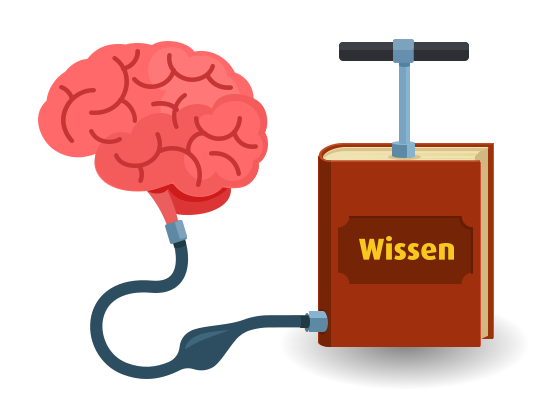
    People who suffer from migraines have especially high-performing brains. Many renowned figures were affected by migraine, including Pablo Picasso, Richard Wagner, and Marie Curie. The nervous systems of people with migraine are constantly ‘on high alert’ – sensory stimuli are picked up by the brain sooner and processed more quickly. Our current understanding is that there are 44 gene variations in the human genome responsible for this particular inherited characteristic. However, it can also lead to migraines: if sensory stimuli are processed too quickly or for too long, the nerves' energy supply is not able to keep up and eventually breaks down. The nerve cells now freely release pain-triggering chemical messengers. These enter the bloodstream and trigger an inflammation in the blood vessels in the brain – affected people experience this inflammation as a throbbing, pounding headache.

    The migraine attack

    A migraine attack typically begins in the morning and lasts between 4 and 72 hours. It manifests as a throbbing, pounding, and hammering pain, which is made worse by physical activity. The pain itself is generally very severe. People with migraine normally also experience nausea, sometimes with vomiting, and become sensitive to light, noise, and smells. At this point, work or even simple leisure activities become impossible. Often, the only option is to lie down, ideally in a dark room, and to wait for the attack to pass.

    Before the migraine

    People with migraine often experience warning signs that an attack is coming 4 to 48 hours beforehand. Warning signs (not causes!) can include:
    - Creativity, high spirits, restlessness
    - Low mood, tiredness/lack of energy, irritability
    - Yawning, cravings (e.g. chocolate), feeling cold, sweating

    Aura

    Around 10% of people with migraine experience a so-called aura before the actual headache begins. This typically lasts between 30 and 60 minutes, with symptoms including visual disturbances such as zigzag lines, flickering and flashing lights, blurred outlines, or blind spots. The following symptoms may also occur:
    - Sensory symptoms (e.g. a tingling feeling spreading from your fingertips to your shoulders)
    - Numbness, poor coordination (e.g. dizziness, feeling unsteady on your feet)
    - Speech and language symptoms, confusion or brain fog

    After the migraine

    Even after a migraine attack, people with migraine may still feel exhausted and sensitive to stimuli for up to 2 days.

TESTKOPIE